A Journal That Nourishes the Whole Person
Welcome to the Finding Point Journal, a collection of evidence-based articles and thoughtful reflections designed to help you better understand yourself and the science of wellbeing. Explore topics such as mental and emotional health, mindfulness, stress management, nervous system regulation, healthy habits, relationships, mindfulness, and personal growth. Whether you're looking to learn something new or simply find encouragement for where you are today, we hope these articles offer practical insights, meaningful perspective, and compassionate guidance for your journey.
An empowering, safe space to learn & find healing.
Is Anxiety Always a Disorder? Understanding When Worry Is Part of Being Human
Anxiety isn’t always a disorder. Sometimes it’s a human response to uncertainty, change, or something that matters deeply. Learn how to recognize when anxiety is serving a protective purpose, when it may be limiting your life, and how curiosity, grounding, self-compassion, and small acts of support can help you respond differently.
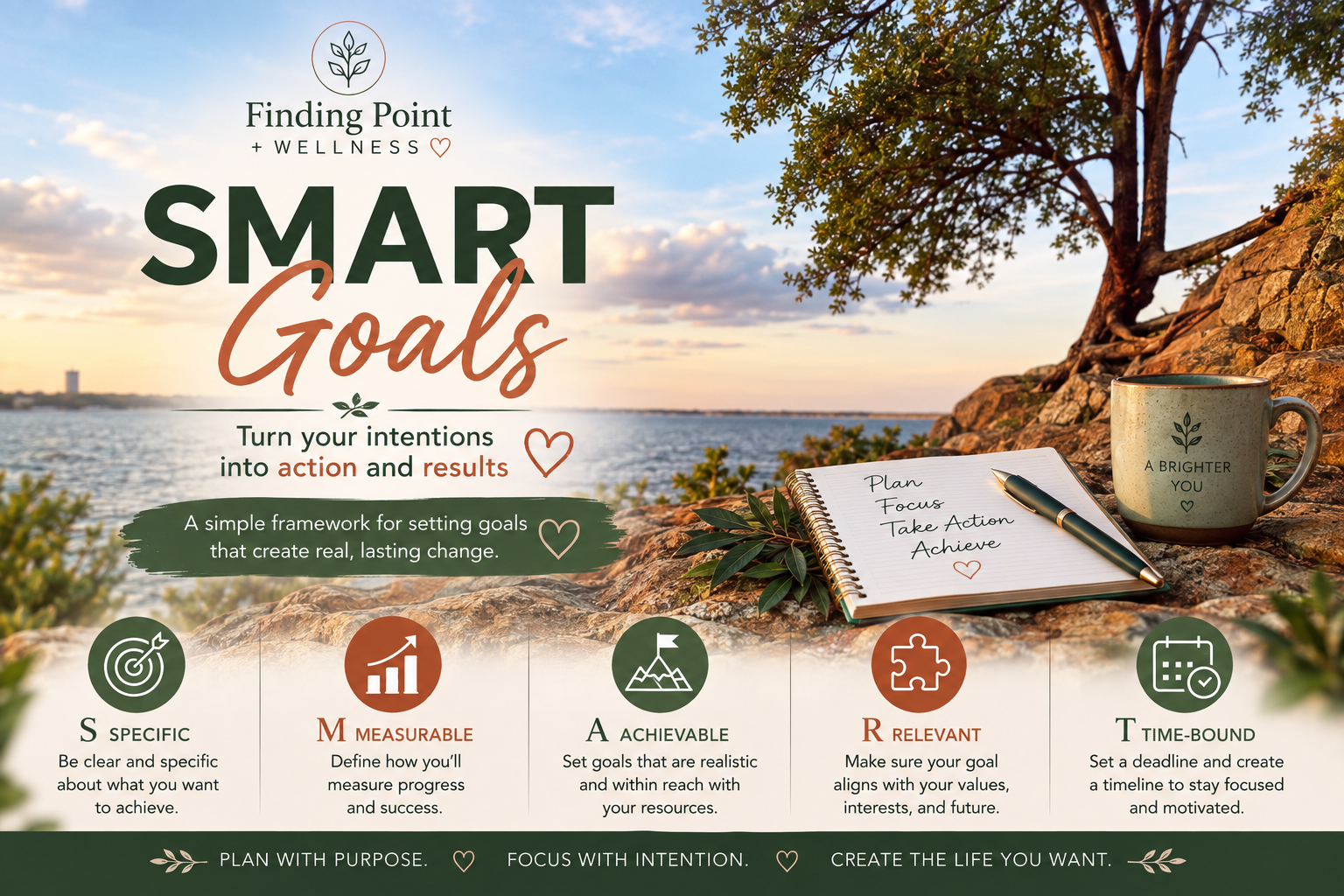
What are SMART Goals? How To Use Them in Your Life
SMART goals can be more than a productivity tool. When approached with compassion, they can give shape to the changes we want to make without turning growth into another source of pressure. In this article, I explore how Specific, Measurable, Achievable, Relevant, and Time-bound goals can help us turn vague hopes into small, meaningful practices while staying connected to our emotional well-being, bodies, and real lives.
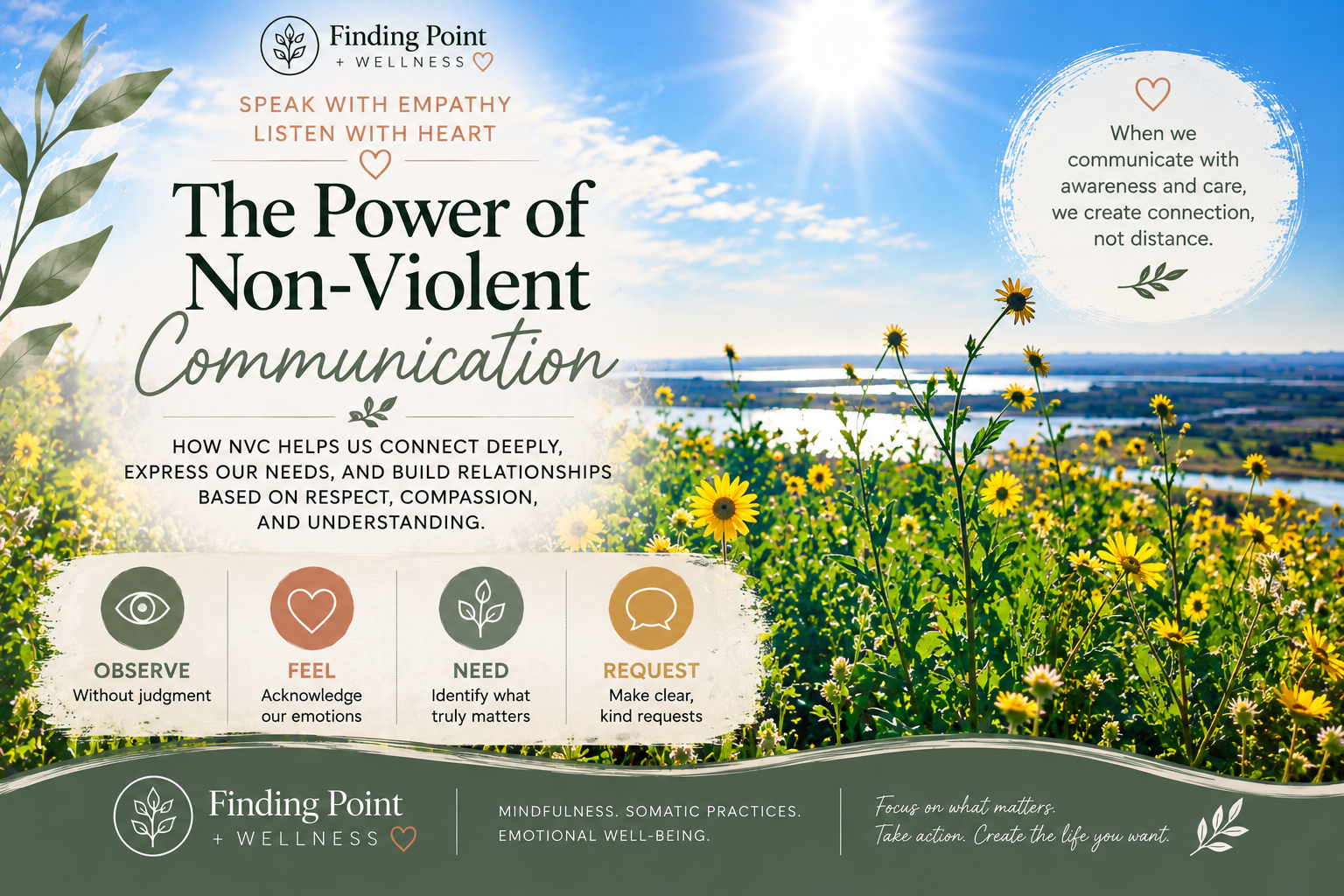
What is Nonviolent Communication (NVC)? A Guide to Better Communication
Nonviolent communication is about more than finding the perfect words. It is a way of slowing down, noticing what is happening inside us, and learning to communicate our feelings and needs without blame or shame. In this article, I explore the four gentle steps of nonviolent communication and how they can help us create more honest, compassionate, and connected conversations while still honoring healthy boundaries.
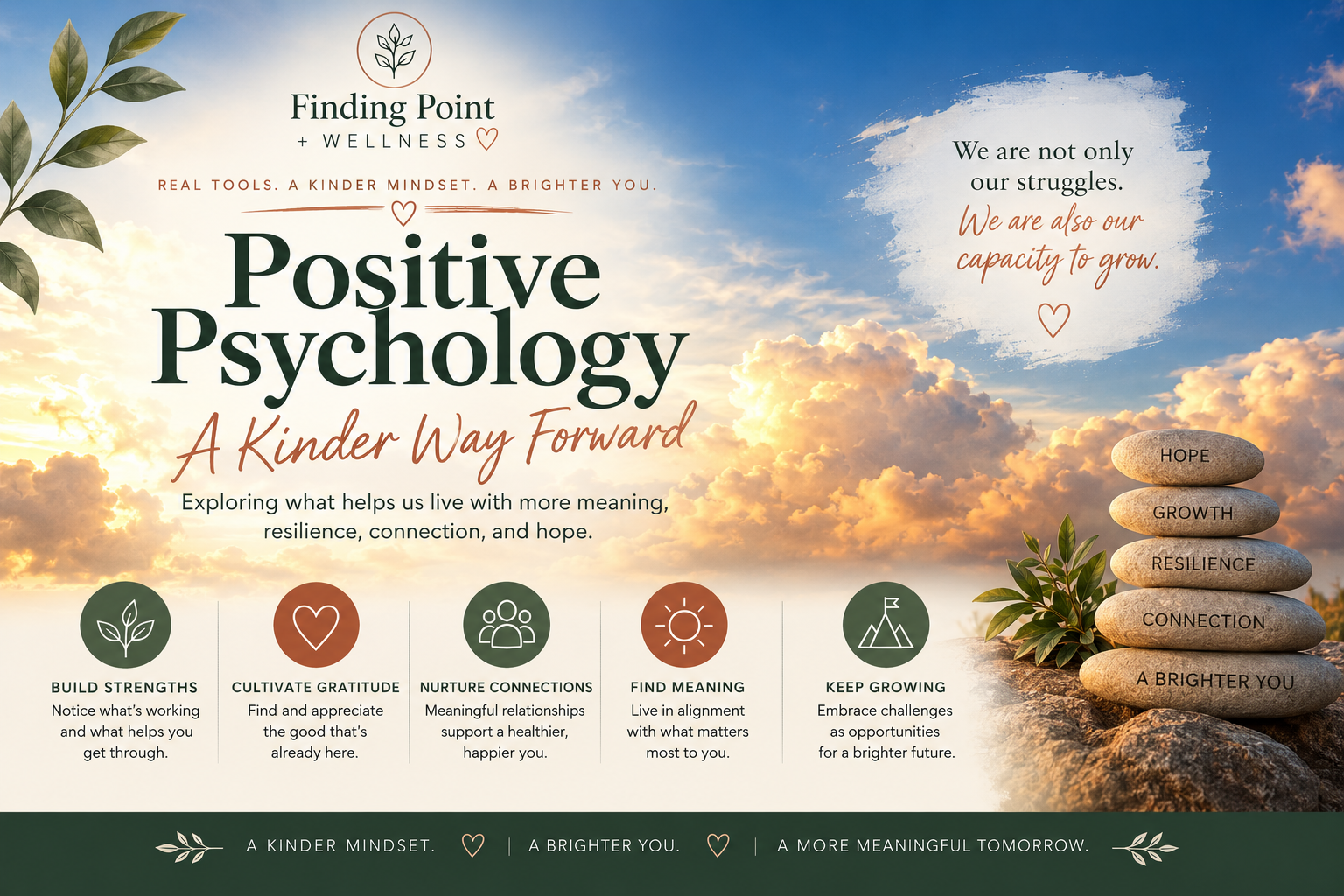
What is Positive Psychology?
Positive psychology is not about forcing happiness or pretending that difficult experiences do not hurt. It is about making room for the parts of life that support us alongside the parts that challenge us. In this article, I explore how positive psychology can help us notice resilience, meaning, connection, gratitude, strengths, and small everyday practices that support emotional well-being without asking us to deny what is hard.
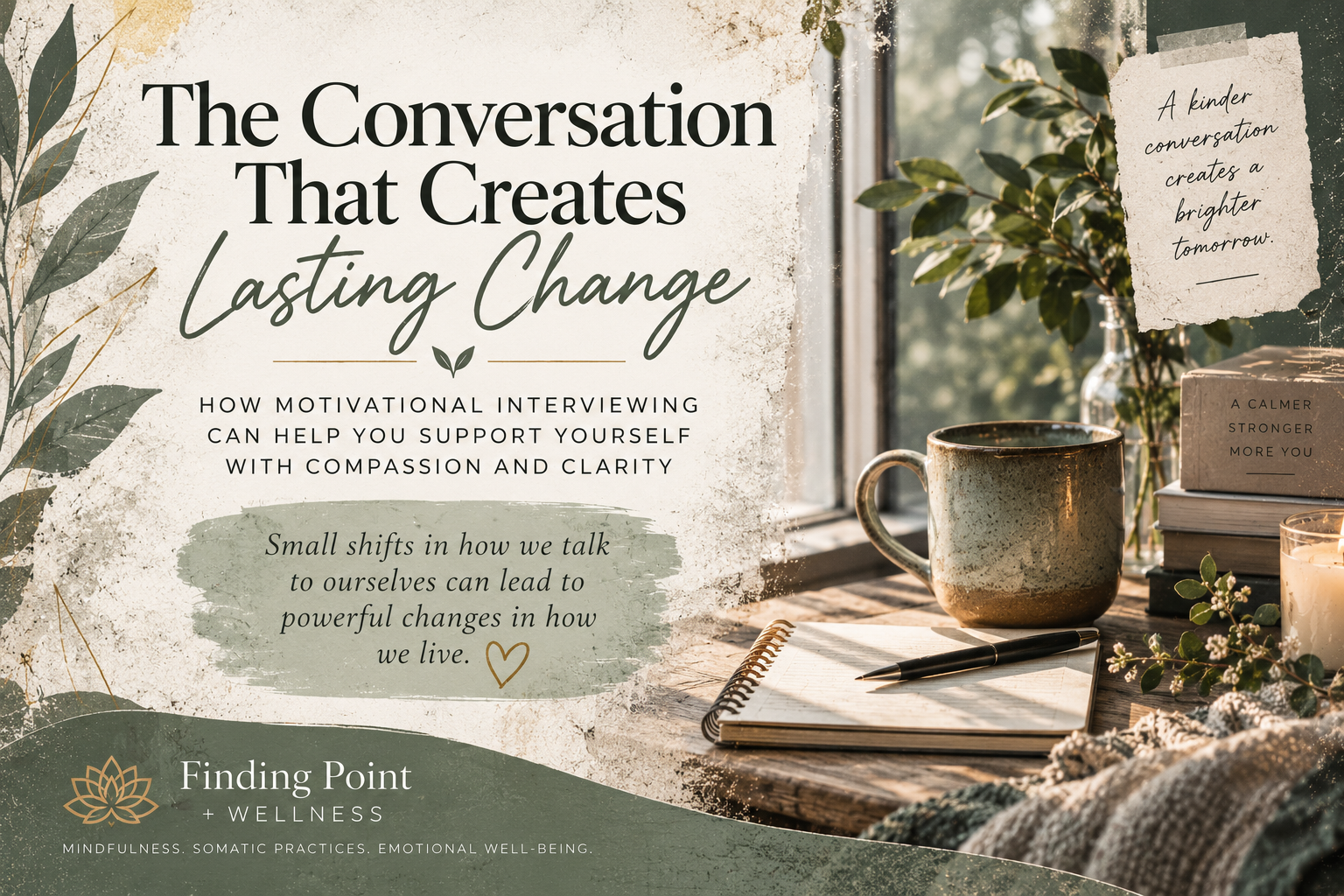
What is Motivational Interviewing?
Explore the principles of Motivational Interviewing and how this person-centered, trauma-informed approach creates meaningful, lasting change. Discover how empathetic listening and honoring personal autonomy can help you navigate obstacles and achieve your wellness goals.
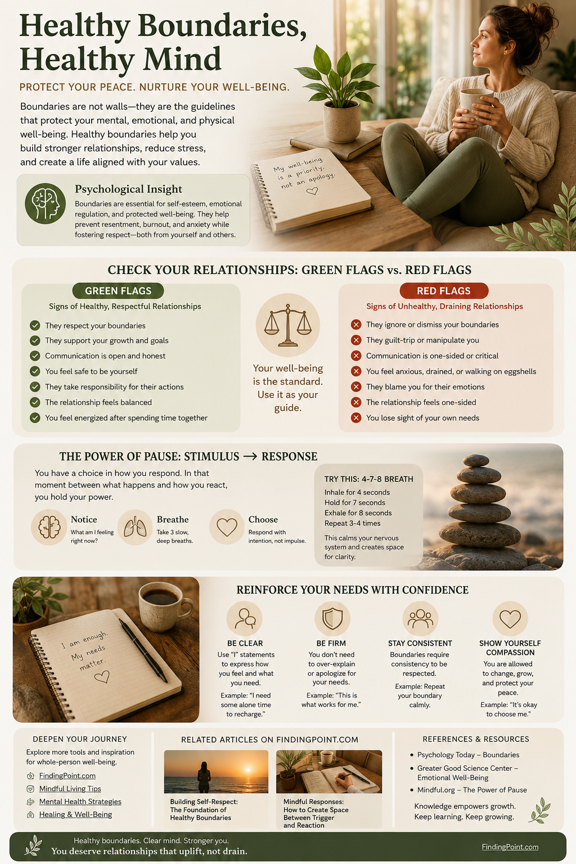
Creating and Maintaining Healthy Boundaries With Others
Creating and maintaining healthy boundaries can protect your peace, strengthen self-respect, and support healthier relationships. Learn to recognize relationship patterns, pause before reacting, communicate your needs clearly, and stay connected to yourself without taking responsibility for someone else’s emotions.
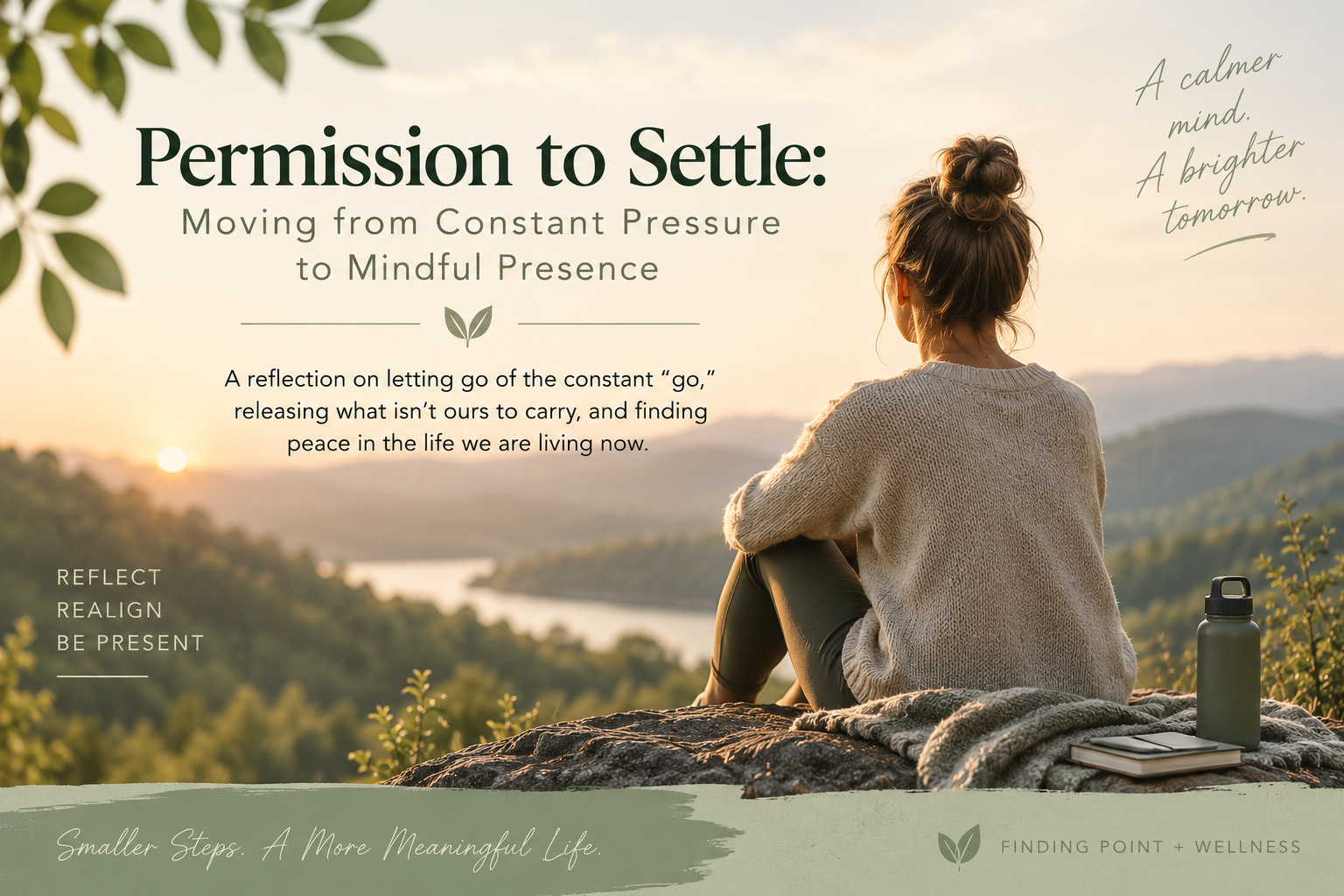
Permission to Settle: Moving from Pressure to Mindful Presence
When life has been defined by constant pressure and the need to keep moving forward, learning to simply be present can feel unfamiliar. This reflection explores letting go of future-focused worry, releasing the stress we carry from others, and giving ourselves permission to settle into the life we are living now.
Shared Experiences: How Authenticity and Connection Support Mental Wellness
Sometimes the experiences we are afraid to share are the very things that connect us. Discover how authenticity, vulnerability, and shared experiences can remind us that we are not alone and support our mental wellness.
What Are Coping Mechanisms?
Life will always bring stress, uncertainty, and unexpected challenges. While we can't control everything that happens, we can learn healthier ways to respond. Understanding our coping mechanisms can help us recognize unhelpful patterns, care for ourselves more intentionally, and build resilience for whatever comes next.
What are Adverse Childhood Experiences and Resiliency Factors?
Resiliency factors are the supports that help us survive difficult experiences and, over time, learn to thrive. From safe relationships and stability to education, self-care, and personal strengths, these protective factors can help us develop healthier ways of viewing life and moving forward.