A Journal That Nourishes the Whole Person
Welcome to the Finding Point Journal, a collection of evidence-based articles and thoughtful reflections designed to help you better understand yourself and the science of wellbeing. Explore topics such as mental and emotional health, mindfulness, stress management, nervous system regulation, healthy habits, relationships, mindfulness, and personal growth. Whether you're looking to learn something new or simply find encouragement for where you are today, we hope these articles offer practical insights, meaningful perspective, and compassionate guidance for your journey.
An empowering, safe space to learn & find healing.
Is Anxiety Always a Disorder? Understanding When Worry Is Part of Being Human
Anxiety isn’t always a disorder. Sometimes it’s a human response to uncertainty, change, or something that matters deeply. Learn how to recognize when anxiety is serving a protective purpose, when it may be limiting your life, and how curiosity, grounding, self-compassion, and small acts of support can help you respond differently.
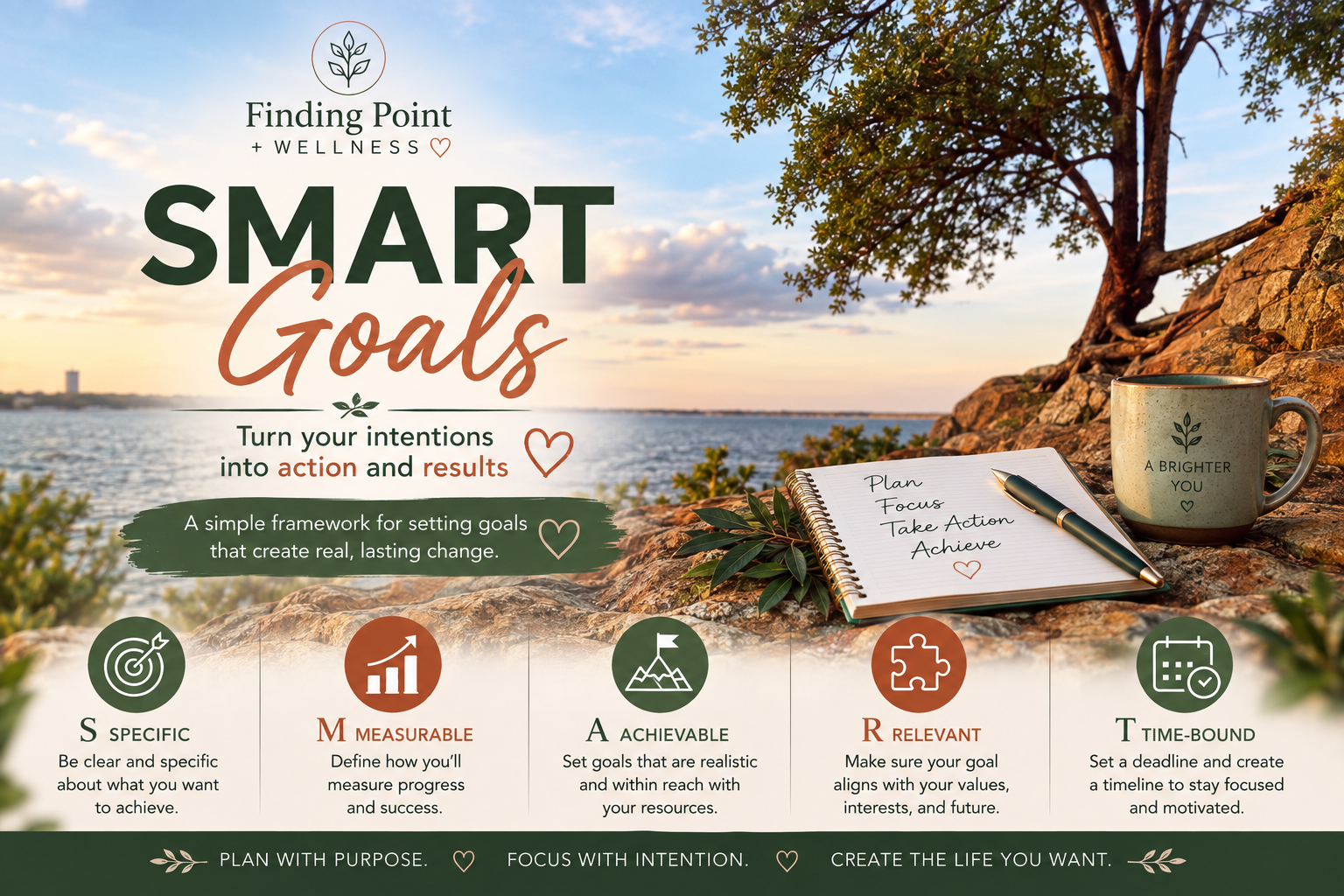
What are SMART Goals? How To Use Them in Your Life
SMART goals can be more than a productivity tool. When approached with compassion, they can give shape to the changes we want to make without turning growth into another source of pressure. In this article, I explore how Specific, Measurable, Achievable, Relevant, and Time-bound goals can help us turn vague hopes into small, meaningful practices while staying connected to our emotional well-being, bodies, and real lives.
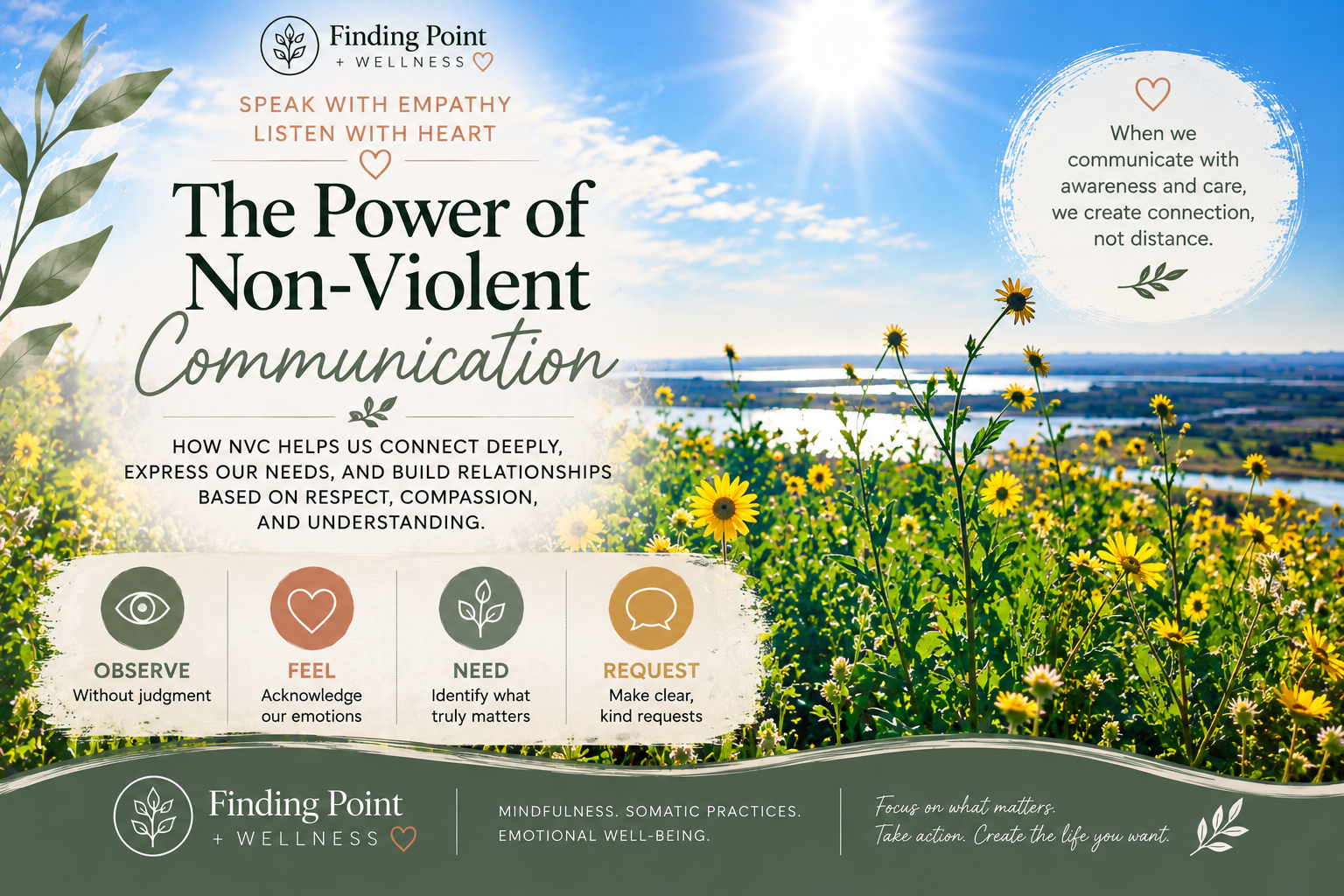
What is Nonviolent Communication (NVC)? A Guide to Better Communication
Nonviolent communication is about more than finding the perfect words. It is a way of slowing down, noticing what is happening inside us, and learning to communicate our feelings and needs without blame or shame. In this article, I explore the four gentle steps of nonviolent communication and how they can help us create more honest, compassionate, and connected conversations while still honoring healthy boundaries.
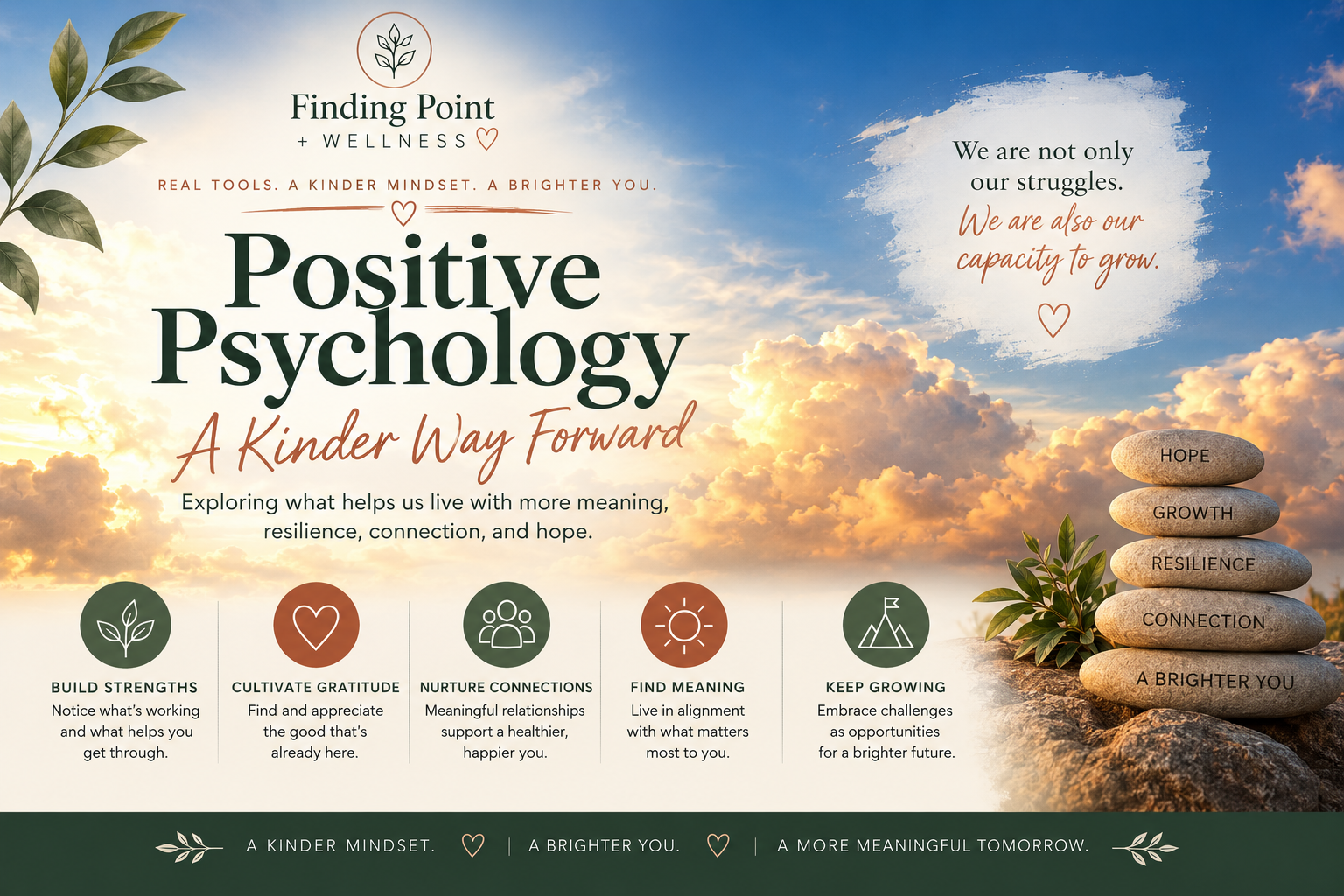
What is Positive Psychology?
Positive psychology is not about forcing happiness or pretending that difficult experiences do not hurt. It is about making room for the parts of life that support us alongside the parts that challenge us. In this article, I explore how positive psychology can help us notice resilience, meaning, connection, gratitude, strengths, and small everyday practices that support emotional well-being without asking us to deny what is hard.
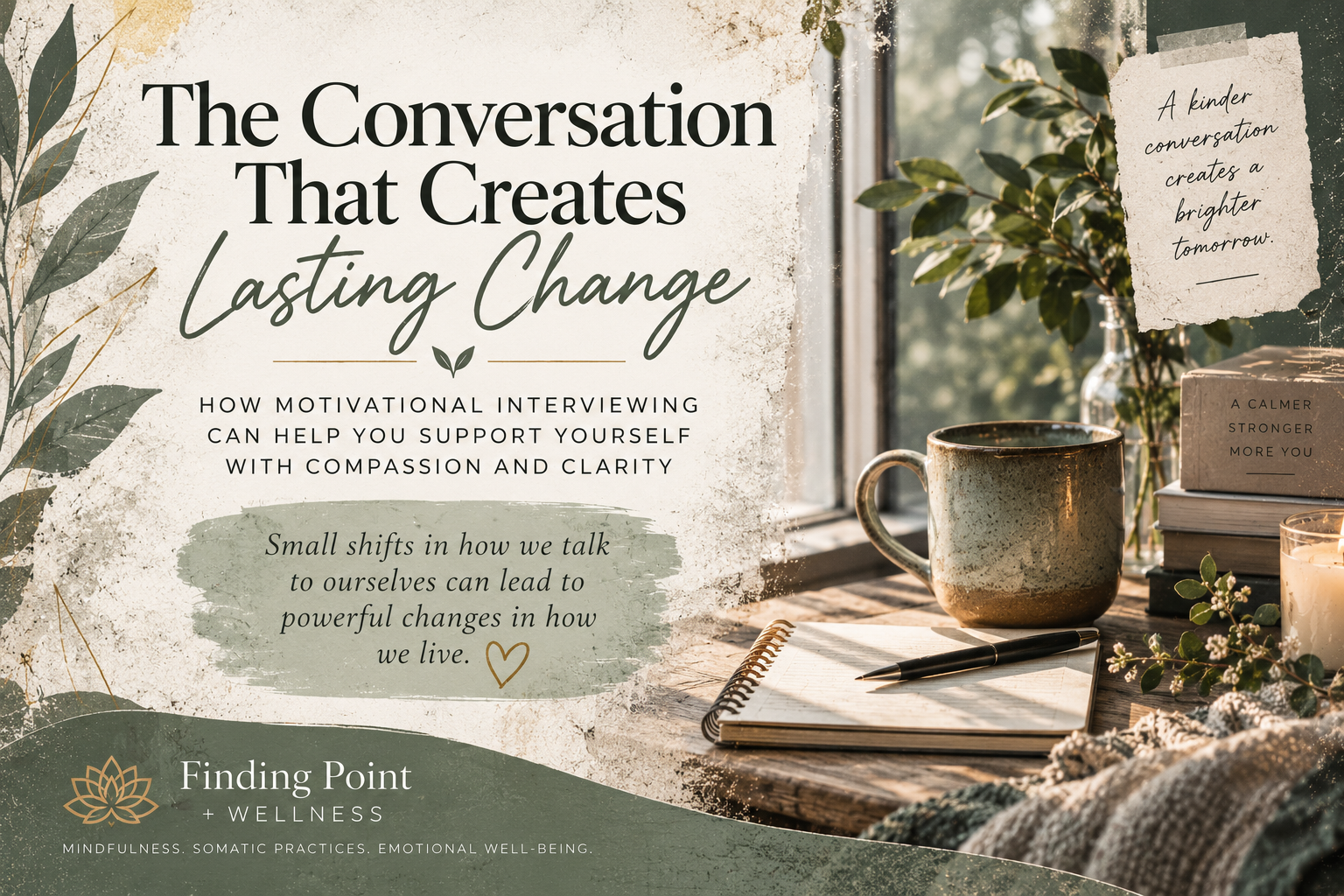
What is Motivational Interviewing?
Explore the principles of Motivational Interviewing and how this person-centered, trauma-informed approach creates meaningful, lasting change. Discover how empathetic listening and honoring personal autonomy can help you navigate obstacles and achieve your wellness goals.
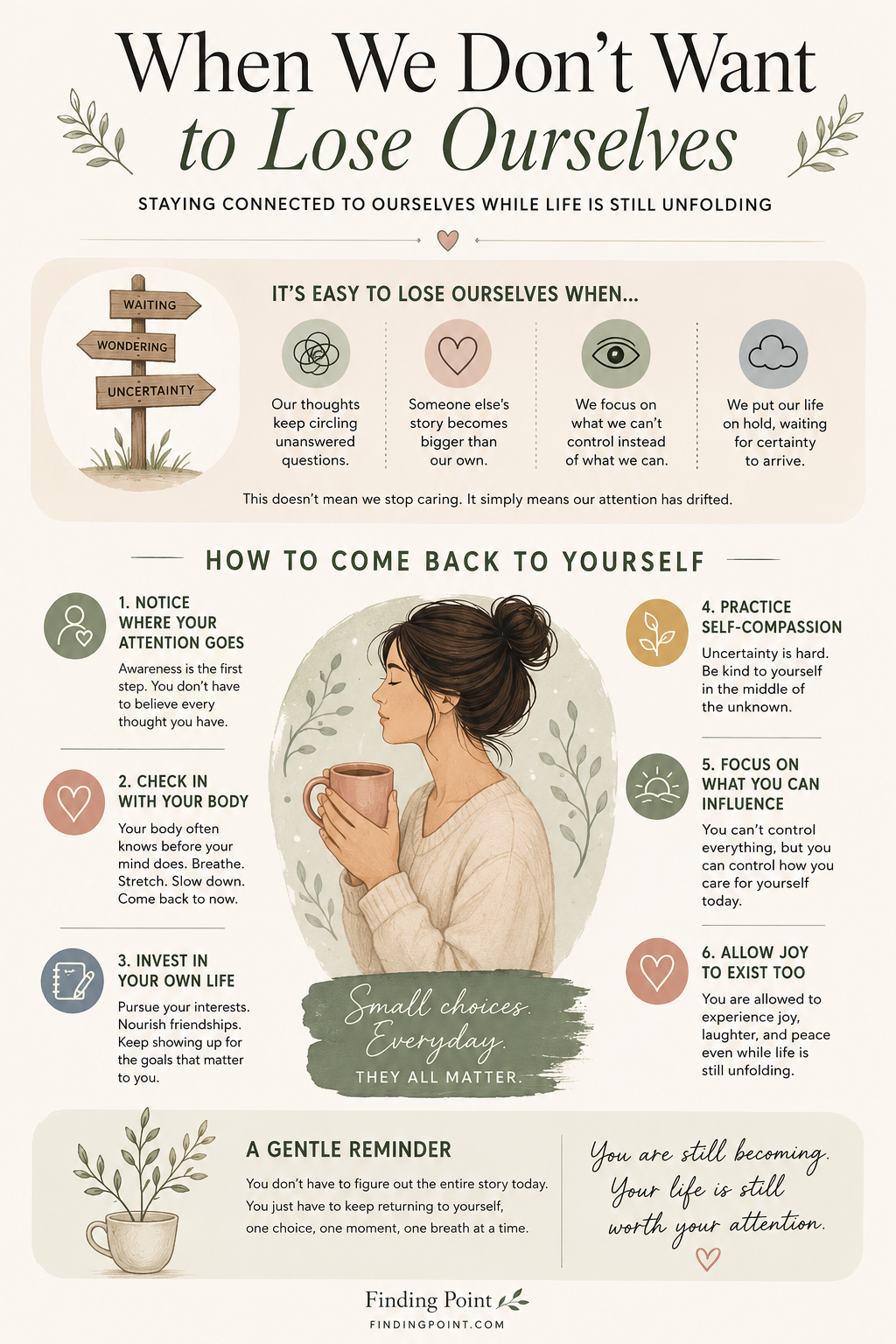
When We Don't Want to Lose Ourselves
When life is uncertain, it’s easy for our attention to drift toward someone else’s story, unanswered questions, or a future we can’t control. This reflection explores how we can keep caring deeply while returning our attention to our own lives, our well-being, and the person we are still becoming.
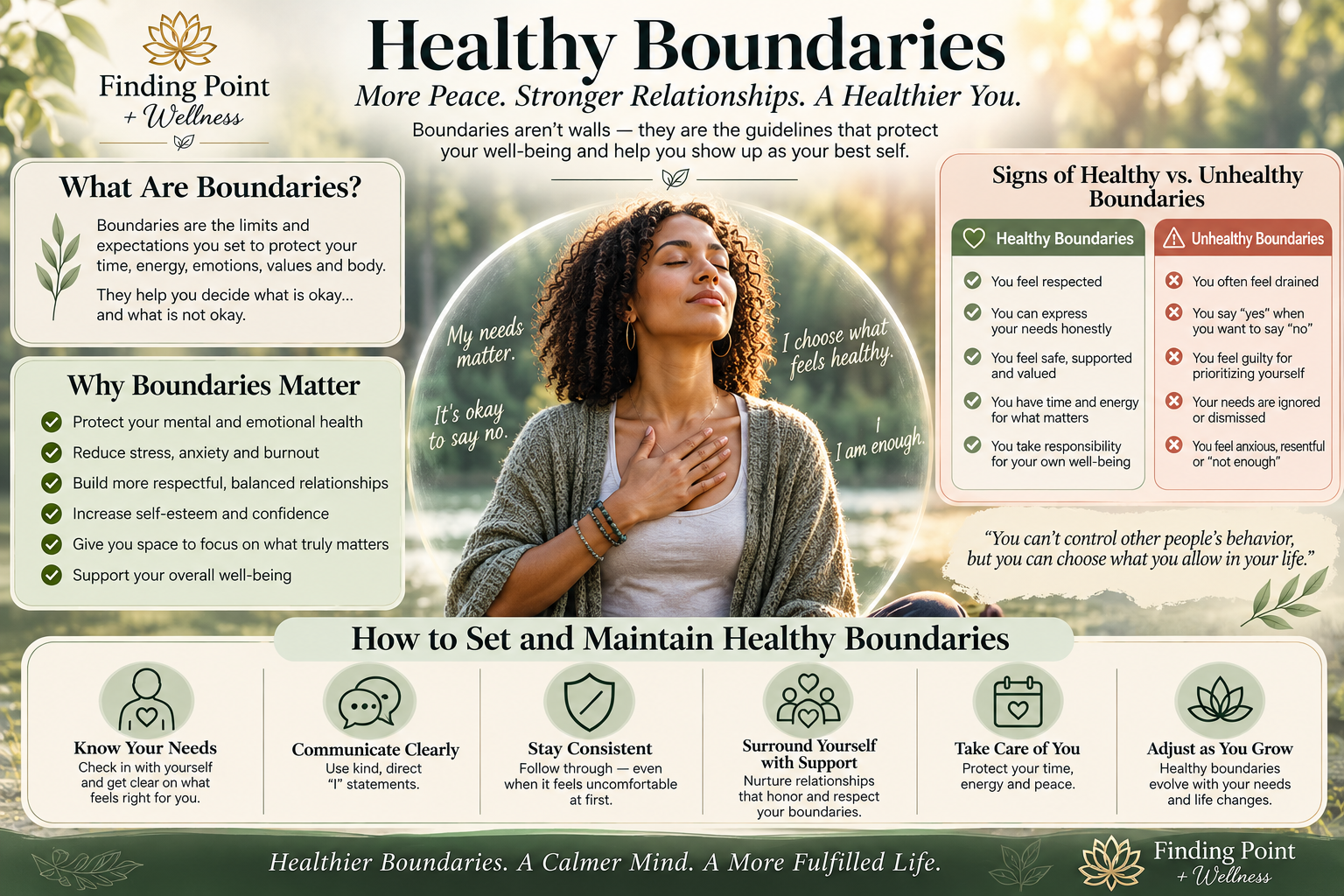
How to Set Boundaries for Yourself: Developing Emotional Health
Healthy boundaries are not walls or rejection. They are gentle limits that help us protect our energy, honor our needs, and stay connected to ourselves while maintaining healthy relationships. Learn how to recognize where boundaries are needed, communicate them clearly, and build greater emotional health and self-trust.
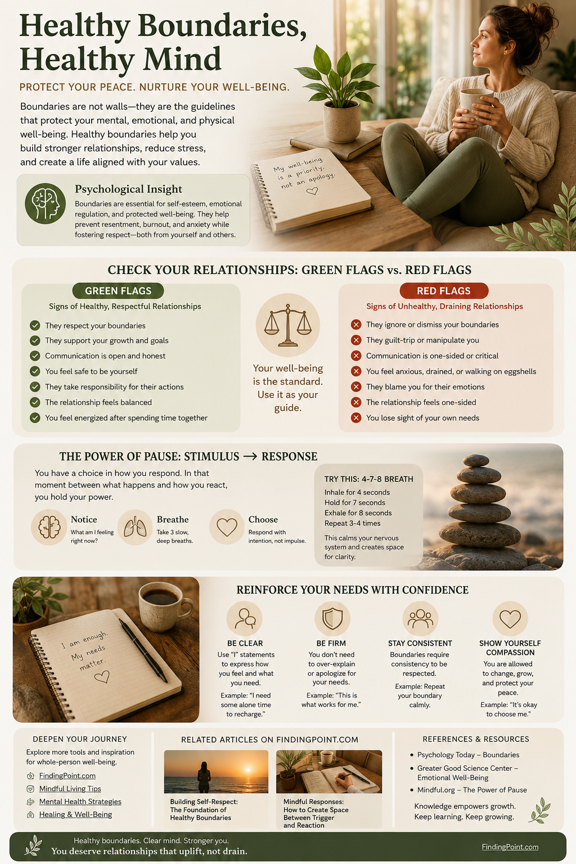
Creating and Maintaining Healthy Boundaries With Others
Creating and maintaining healthy boundaries can protect your peace, strengthen self-respect, and support healthier relationships. Learn to recognize relationship patterns, pause before reacting, communicate your needs clearly, and stay connected to yourself without taking responsibility for someone else’s emotions.
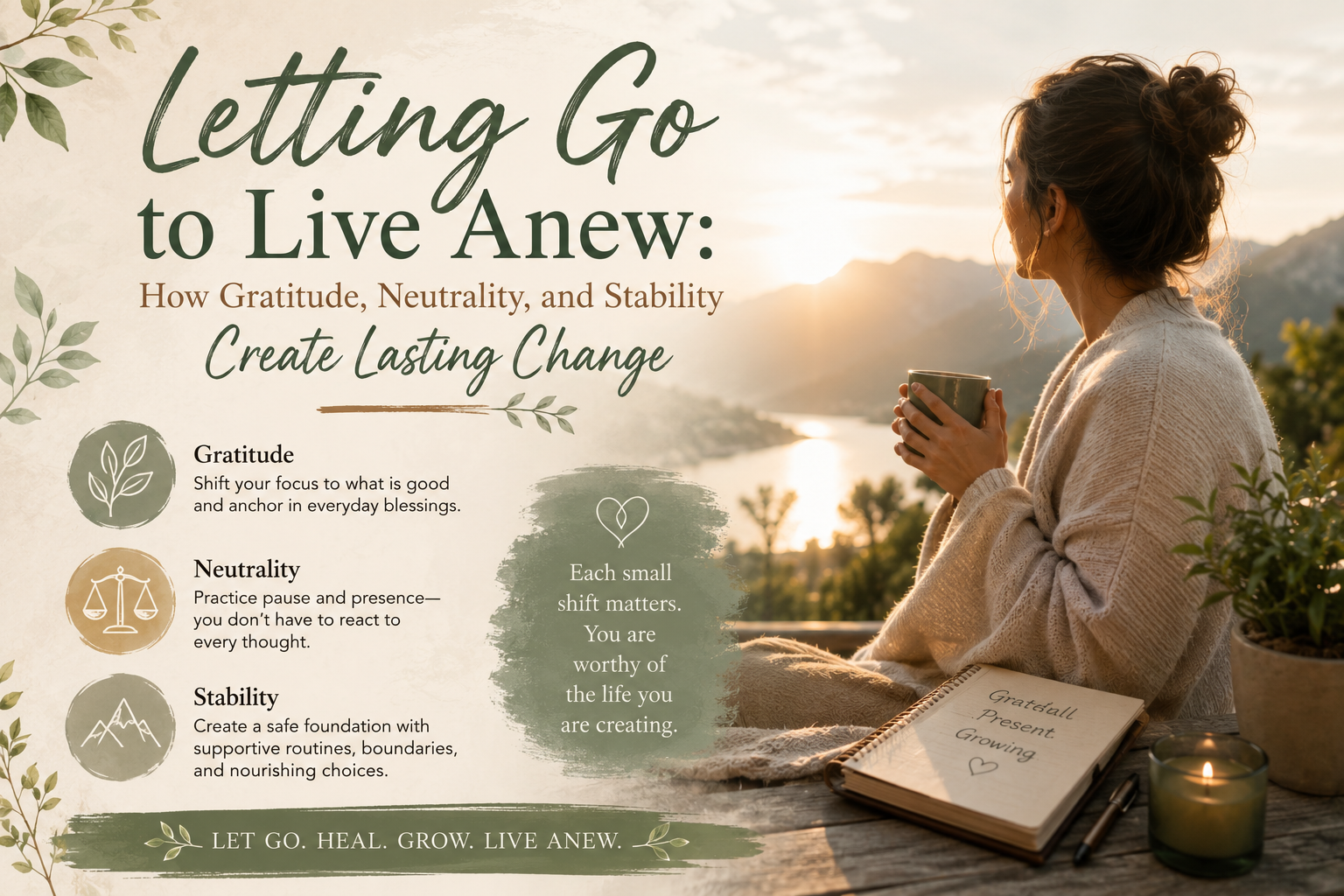
Letting Go to Live Anew: Gratitude, Healing, and Personal Growth
Letting go does not mean forgetting the past. It means choosing not to let old pain, fear, or patterns make every decision for us. Through gratitude, emotional neutrality, and greater stability, we can create space for healing, self-trust, and a new way forward.
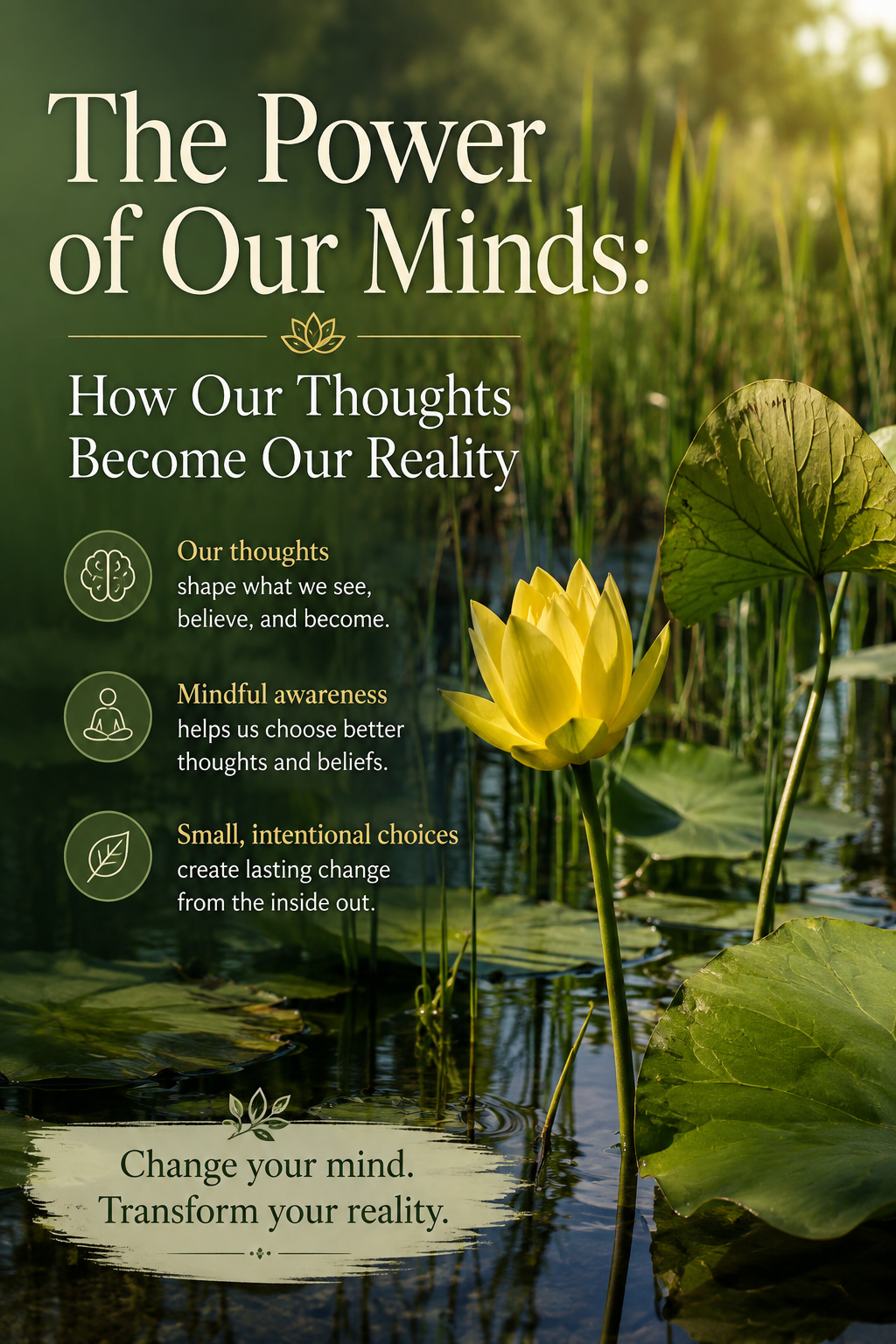
The Power of Our Minds: How Our Thoughts Become Our Reality
Our thoughts shape what we notice, how we interpret our experiences, and even how we feel in our bodies. By becoming more intentional about where we place our attention, we can create healthier patterns, support our well-being, and cultivate a more peaceful reality from the inside out.
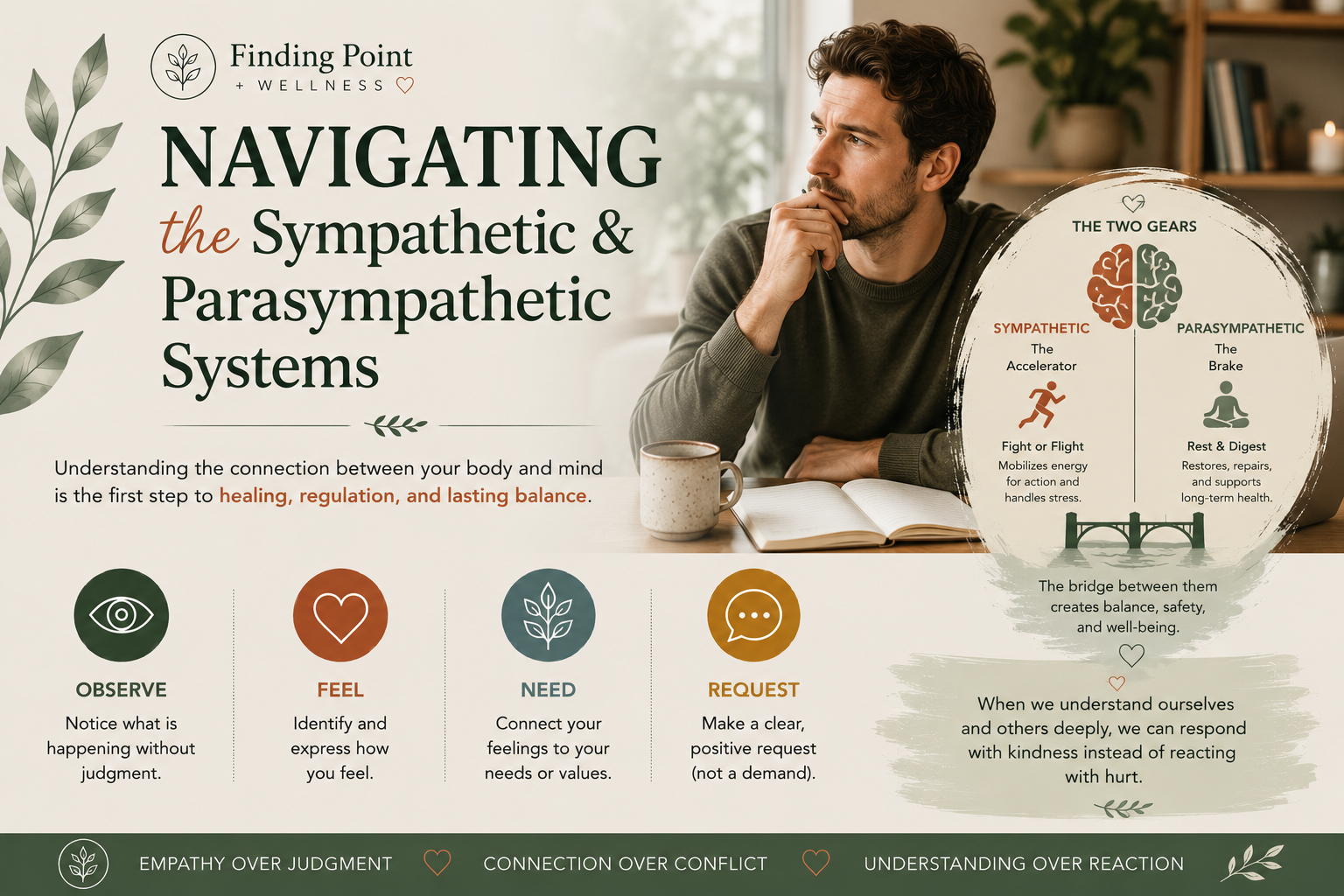
Navigating the Sympathetic and Parasympathetic Systems
Understanding the nervous system can help us recognize why we sometimes feel constantly “on,” even when there is no immediate danger. By learning to recognize the shift between high-alert and rest, we can begin gently rebuilding our capacity for regulation, safety, and peace.
Building a Foundation of Lasting Safety
When life feels unpredictable, it’s natural to search for safety outside ourselves. But lasting resilience begins within. By learning to recognize what is happening in the present, release what is not ours to carry, and create a sense of internal stability, we can build a foundation of safety that remains steady even when life around us is not.
Permission to Settle: Moving from Pressure to Mindful Presence
When life has been defined by constant pressure and the need to keep moving forward, learning to simply be present can feel unfamiliar. This reflection explores letting go of future-focused worry, releasing the stress we carry from others, and giving ourselves permission to settle into the life we are living now.
The Intentional Pause: How Small Moments Can Help You Find Greater Peace
You don’t need to stop your whole life to find a little peace. Sometimes it’s as simple as taking one breath before answering that email, pausing before you reach for your phone, or letting yourself sit in the car for a quiet minute before walking inside. An intentional pause creates a little space between what happens and what you do next, giving you a chance to notice, breathe, and choose.
Healing Through Compassion: Releasing Shame
Shame can keep us trapped in the belief that our mistakes define who we are. Healing begins when we learn to meet those mistakes with compassion instead of self-punishment, taking responsibility for what we can change while remembering that we are human, imperfect, and capable of growth.
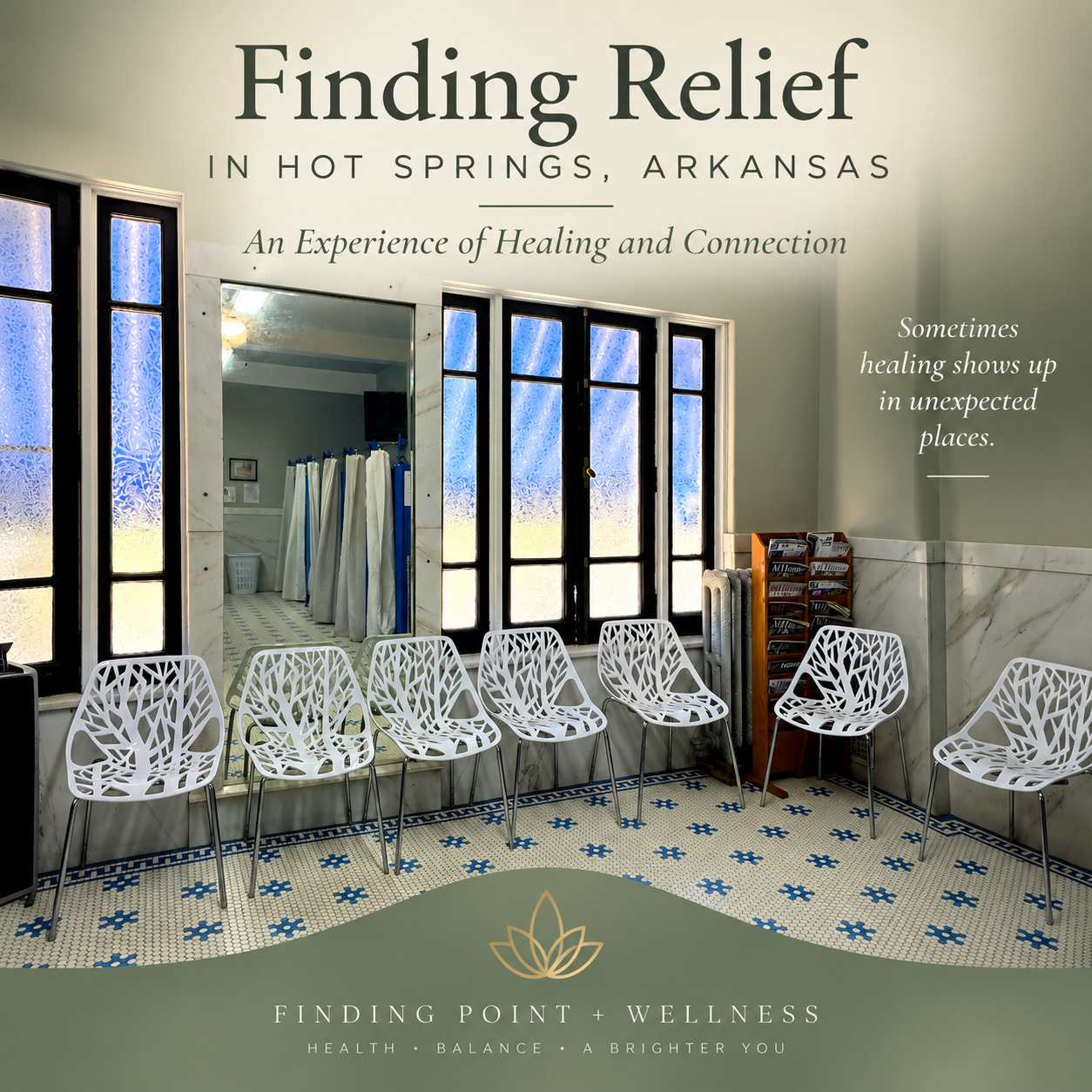
An Experience of Healing and Connection
Sometimes healing comes through unexpected places and brief connections with people who remind us that we are worthy of care. During a difficult transition, a trip to Hot Springs, Arkansas offered an opportunity to slow down, practice self-care, and experience the healing power of vulnerability and genuine human connection.
Shared Experiences: How Authenticity and Connection Support Mental Wellness
Sometimes the experiences we are afraid to share are the very things that connect us. Discover how authenticity, vulnerability, and shared experiences can remind us that we are not alone and support our mental wellness.

A Turn of Events: Losing My Father and Finding a New Beginning
Losing a parent can bring grief, reflection, forgiveness, and unexpected opportunities for a new beginning. This personal reflection explores the final weeks with my father, the memories we shared, and the lessons about love, compassion, and healing that remained after his passing.
Emotional Self-Regulation
Emotional self-regulation is not about pushing emotions away. It is about learning to observe, understand, and work with our feelings without becoming overwhelmed by them. With compassion, awareness, and practice, we can create greater emotional balance and respond to our experiences more intentionally.
The Power of Thought in Challenging Moments
Sometimes the hardest part of a challenging moment isn't what happened, but what happens inside our minds afterward. Our thoughts can pull us deeper into fear and helplessness, or help us find a different perspective and a way forward. Learning to notice our thoughts without judgment can create space to respond with greater awareness, resilience, and trust in ourselves.